![window.gtranslateSettings = {"default_language":"en","native_language_names":true,"detect_browser_language":true,"languages":["en","es","it"],"wrapper_selector":".gtranslate_wrapper","flag_size":16,"horizontal_position":"right","vertical_position":"top","flag_style":"3d","alt_flags":{"en":"usa"}}](https://cdn.lofty.com/image/fs/508869918698733/website/79304/cmsbuild/h200_2025926_ca09e307b20343ef-png.webp)
Condo vs. Single-Family Homes in Tampa: What Actually Matters Before You Decide
Condo or single-family isn't really a preference question — it's about how much cost, control, and risk you want to carry directly versus through an association. Here's what I walk clients through when they're deciding between the two in Tampa.
Monthly costs work differently
A condo's HOA fee usually covers exterior maintenance, building insurance, and shared amenities, which makes your monthly cost more predictable — until it isn't. HOA fees can rise, and special assessments can show up with little warning, especially now that Florida associations are dealing with higher reserve requirements and mandatory structural inspections.
Single-family homes can come with no HOA, or a lighter one, though gated communities often have their own fees, and some carry CDD fees on top of property taxes. The tradeoff is you're covering roof, HVAC, and every repair directly. In Tampa, insurance costs matter either way — condo owners are exposed to it indirectly through their association even if they're not paying the premium themselves.
Control versus structure
Own a single-family home and you decide on renovations, rentals, and how you use the property, within local regulations. Condos operate under association rules that can restrict rentals, pets, renovations, even occupancy. The mistake I see most is buyers not reading the HOA documents before closing — those restrictions can directly limit what you're able to do with the property later. If flexibility matters to you, that's not a minor detail to skip.
Who handles maintenance
Condos take the day-to-day maintenance burden off your plate — exterior repairs, landscaping, common areas are the association's job. The tradeoff is you don't control the timing or quality of that work; you're relying on the association's budget and decisions. With a single-family home, you manage everything yourself, which means more control but also carrying the full cost and responsibility, including things buyers tend to underestimate on the timeline.
Appreciation and resale
Single-family homes in Tampa have historically appreciated more consistently, largely because you own the land. Condos can still appreciate, but they're more exposed to market cycles and the financial health of the association — lenders will restrict condo financing if the building doesn't meet certain criteria, which can shrink your buyer pool when you go to sell.
What to check before you decide
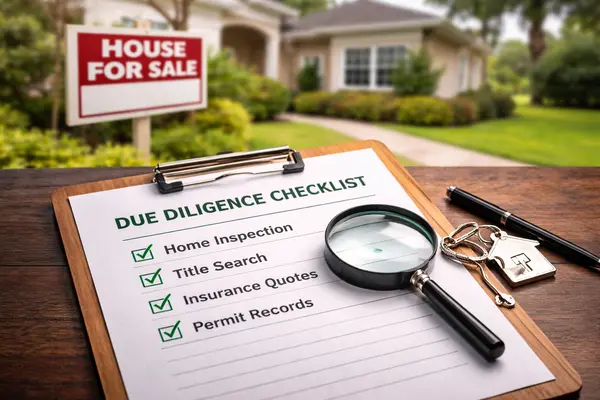
Before committing to either option, I have clients verify: condo reserves, budget, and any pending special assessments; HOA rules on rentals and ownership; insurance coverage gaps on both property types; the age and condition of major systems like roof, structure, and plumbing; and flood zone status and what that means for cost.
If predictability and less hands-on responsibility matter most to you, a well-managed condo can work — but only if the association is financially healthy. If control, flexibility, and long-term appreciation matter more, a single-family home tends to hold up better in this market. Really it comes down to how much risk you want to carry yourself versus share with a building. If you want to talk through a specific property or scenario, I'm happy to help you think it through.
Categories
Recent Posts




GET MORE INFORMATION

Agent / SFR & CIPS Certified and Designated License ID: SL3518005