![window.gtranslateSettings = {"default_language":"en","native_language_names":true,"detect_browser_language":true,"languages":["en","es","it"],"wrapper_selector":".gtranslate_wrapper","flag_size":16,"horizontal_position":"right","vertical_position":"top","flag_style":"3d","alt_flags":{"en":"usa"}}](https://cdn.lofty.com/image/fs/508869918698733/website/79304/cmsbuild/h200_2025926_ca09e307b20343ef-png.webp)
Why Home Deals Fall Apart: Due Diligence Mistakes Every Buyer Must Avoid
Central Florida moves fast, and that pace pushes buyers to move forward before they fully understand what they're buying. That's usually where deals start to fall apart. A property can look great at first glance and still hide financing issues, insurance gaps, title problems, or repair costs you didn't see coming.
The home you like isn't always the home you should buy
A well-presented home can hide expensive problems. Fresh paint and staging distract from an aging roof, outdated electrical, plumbing issues, or a tired HVAC system — and with our humidity and weather exposure, those things matter more here than in a lot of other markets. I've seen buyers treat the inspection as a formality when it's actually the step where a deal either holds up or falls apart. Find something major late, with your budget already committed, and you're stuck choosing between absorbing the cost or walking away after already investing time and money.
Pre-approval isn't the same as approved
A pre-approval is a starting point, not a guarantee. Loan terms can shift based on the appraisal, the property's condition, a credit change, or updated documentation. This is where deals quietly unravel — a buyer assumes financing is locked in, then discovers late in the process that something's changed. Verifying your financial position and the property's eligibility early cuts that risk down significantly.
The real monthly number is more than principal and interest
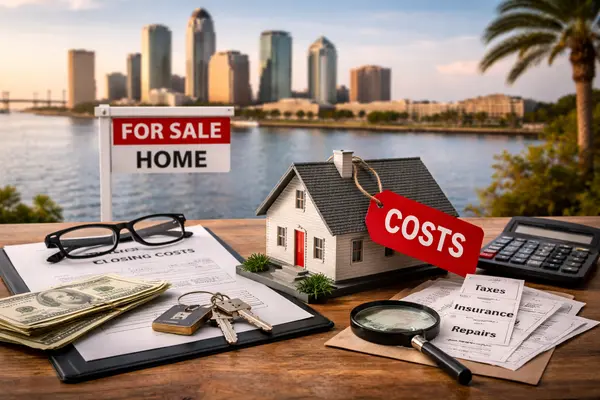
Insurance, property taxes, HOA dues, and maintenance all factor into what you're actually paying every month. A home that looks affordable on paper can feel very different once those real numbers come in. That's why I push clients to get insurance quotes, review tax history, and read HOA documents early — before they're emotionally committed to a number that isn't accurate.
Property history can create problems you don't see
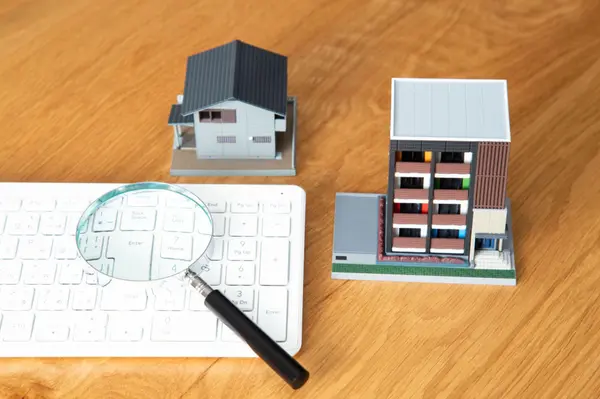
Not every risk is visible on a walkthrough. Unpermitted work, open permits, title issues, liens, or HOA restrictions can all affect what you're able to do with the property, or how easily you can sell it later. A proper review of title, permits, and property records is what separates buying clean ownership from inheriting someone else's unresolved problem.
Due diligence protects your ability to walk away
Due diligence isn't about killing deals — it's about making sure you can make a clear decision either way, whether that's moving forward with confidence or renegotiating or stepping back early. A fast market creates urgency, but urgency isn't a substitute for verification. Missing one opportunity is a lot better than living with the wrong purchase for years.
Don't assume everyone else has it covered
Lenders, agents, inspectors, and title companies each handle a piece of the transaction — nobody is automatically checking everything for you. Pay extra attention to homes with recent renovations, older major systems, or pricing that seems a little too good. None of that is automatically a red flag, but it deserves a closer look. My goal with every client isn't just getting to closing — it's making sure the deal still makes sense once everything's actually been verified.
If you want a straightforward review of a property, your financing, or your due diligence plan before you're deep into a contract, reach out. That extra step early on saves a lot of headaches later.
Categories
Recent Posts



GET MORE INFORMATION

Agent / SFR & CIPS Certified and Designated License ID: SL3518005