![window.gtranslateSettings = {"default_language":"en","native_language_names":true,"detect_browser_language":true,"languages":["en","es","it"],"wrapper_selector":".gtranslate_wrapper","flag_size":16,"horizontal_position":"right","vertical_position":"top","flag_style":"3d","alt_flags":{"en":"usa"}}](https://cdn.lofty.com/image/fs/508869918698733/website/79304/cmsbuild/h200_2025926_ca09e307b20343ef-png.webp)
How Global Events Are Reshaping Real Estate in 2026
Real estate has always been local, but it doesn't happen in a vacuum. Interest rates, geopolitics, migration patterns — all of it shows up in what I'm seeing on the ground in Tampa Bay. Here's how I'd break it down right now.
Interest rates are still setting the tone
The Fed's rate decisions ripple straight into mortgage rates, and that changes buyer behavior fast: less purchasing power, more caution, more buyers getting priced out of where they wanted to be. On the seller side, that means longer days on market and more room for buyers to negotiate. Pricing strategy matters more than it did a few years ago — overpricing and waiting for the right buyer isn't really a strategy anymore.
Global uncertainty pushes money toward Florida
When there's instability overseas — conflict, currency swings, stock market volatility — investors tend to move capital into markets they see as stable. The U.S. is one of those, and Florida specifically benefits from no state income tax and steady population growth. Tampa keeps showing up on that list for both domestic and international buyers looking for somewhere safer to park money.
Migration and remote work aren't slowing down
Remote work permanently changed where people are willing to live. I'm still seeing relocation from New York and California, plus international buyers targeting Florida specifically for the lifestyle. Tampa Bay checks the boxes: more affordable than other major metros, business-friendly, and the weather and water don't hurt either.
Construction costs and inventory
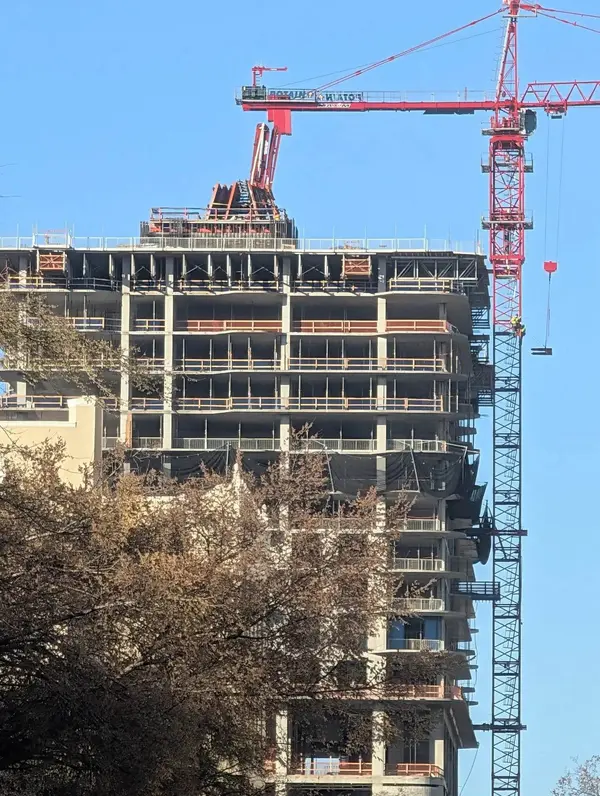
Supply chain issues from the last few years pushed up material costs and slowed builders down, which means less new inventory and higher prices when it does come to market. That's part of why resale homes have stayed competitive — sometimes they're the better deal once you account for what new construction costs now.
Foreign buyers follow the dollar
When the dollar is strong, some international buyers pull back. When their home currency strengthens, they move fast — often with cash or strong financing. I regularly work with buyers from Latin America, Canada, and Europe who see Tampa real estate as a hedge against what's happening back home. That demand isn't going away, it just ebbs and flows with currency markets.
What this means depending on where you sit
If you're buying, you have more leverage than you did a year or two ago, but don't try to time the market perfectly — focus on the long-term value of the property and negotiate smart. If you're selling, pricing it right from day one matters more than ever, and so does how the home is presented. If you're investing, the opportunities are still there, but margins are tighter and deal structure matters more than chasing hype.
None of this changes the basic fact that people need somewhere to live. The buyers, sellers, and investors who do well in this market are the ones who stay informed and make decisions based on numbers, not emotion. If you want to talk through what any of this means for your specific situation in Tampa Bay, reach out — I'm happy to walk through it with you.
Categories
Recent Posts




GET MORE INFORMATION

Agent / SFR & CIPS Certified and Designated License ID: SL3518005